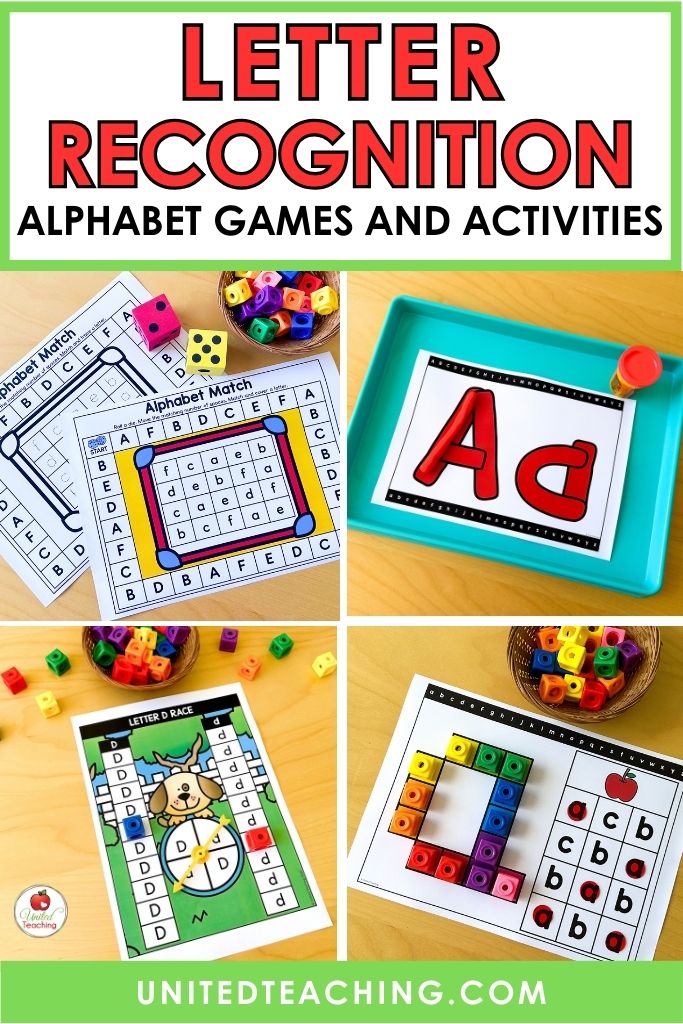




Letter recognition is a foundational skill that unlocks phonics instruction, spelling development, and reading fluency. Research shows that students who can quickly identify both uppercase and lowercase letters are better prepared to connect letters to sounds and begin decoding words. The printable letter recognition games and hands-on alphabet activities below provide the repeated, engaging practice students need to build automatic letter identification—without the monotony of traditional flashcard drills.
These activities fit seamlessly into morning tubs, alphabet centers, literacy centers, or small-group rotations, giving students multiple opportunities throughout the day to recognize and identify letters of the alphabet.

Why Letter Recognition Skills Matter
Strong letter recognition skills serve as the gateway to every subsequent reading milestone. When students can automatically identify uppercase letters and lowercase letters, they free cognitive resources to focus on letter-sound relationships, blending, and comprehension. Without fluent letter recognition, students struggle to progress through phonics instruction and often experience reading delays that compound over time.
Letter recognition encompasses several critical skills, including the ability to distinguish between similar-looking letters (b/d, p/q), match uppercase and lowercase forms, and identify letters in various fonts and contexts. Mastery of these skills typically develops through consistent, varied practice across multiple formats.
Why Letter Recognition Games Work So Well
Games transform repetitive practice into engaging learning experiences. Printable letter recognition games embed skill-building into play, offering dozens of meaningful repetitions in a single session. The game format maintains student motivation while providing the spaced practice necessary for transferring knowledge from short-term to long-term memory.
When students interact with letters through rolling dice, spinning wheels, clipping cards, or building with manipulatives, they engage multiple pathways in the brain. This multisensory approach strengthens neural connections and supports retention, particularly for students who struggle with traditional worksheet-based instruction.
Teacher Tip: Introduce each game in a small group before placing it in centers. This ensures students understand the rules and can work independently, allowing you to focus on guided reading groups or targeted interventions.
Printable Letter Recognition Activities and Games
1. Alphabet Letter Matching Games
The Alphabet Dice and Spinner Games transform simple game boards into powerful letter recognition practice tools. Students roll dice or spin spinners to match letters, accumulating dozens of repetitions in just minutes. The familiar game-board format maintains engagement while systematically building letter identification skills.
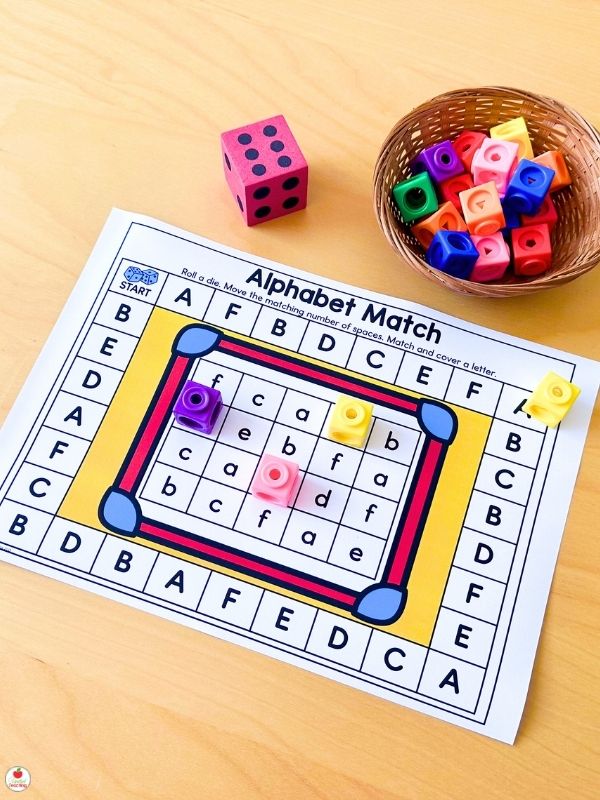
These games can be used individually for focused practice or with partners and small groups for collaborative learning.
Game Options:
- 4 In a Row – Students aim to cover four consecutive letters on the board. Works well for both independent practice and partner competition.
- Bump – Partner game where players can “bump” opponents’ markers off claimed spaces, adding strategic thinking to letter practice.
- Cover All Challenge – Solo timed game where students race to cover every letter on the board before the timer expires.
Each game pack includes uppercase and lowercase versions, plus black-and-white letter tracing worksheets that provide additional handwriting practice.
Implementation: Place games at literacy centers with dice, spinners, and counters readily available. Rotate boards weekly to maintain novelty and engagement.
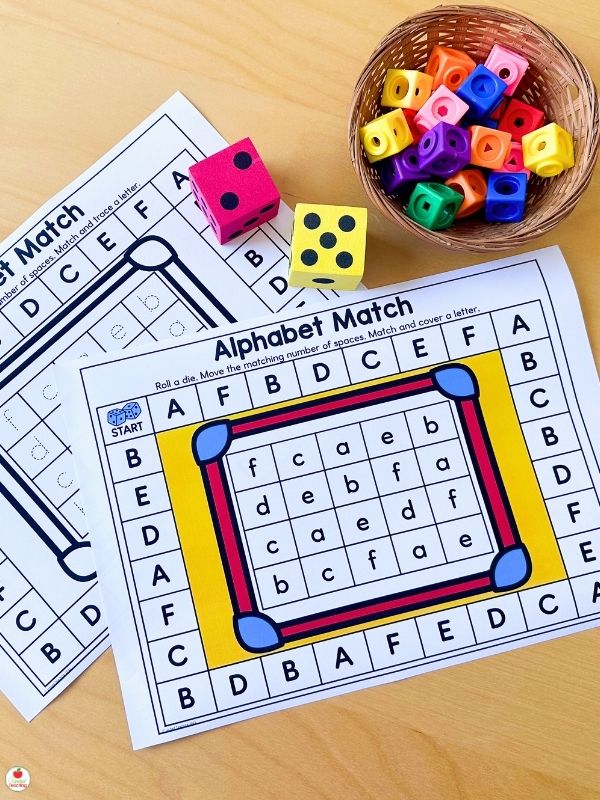
2. Alphabet Letter Matching Clip Cards
The Alphabet Letter Matching Clip Cards provide quick, self-checking practice that requires minimal teacher supervision. This 156-card set offers three visual formats to reinforce uppercase-and-lowercase matching and accurate letter identification while simultaneously building fine motor skills through clothespin manipulation.
Card Formats:
- Plain Letter Cards – Students clip the matching uppercase or lowercase letter using clothespins or mini-clips, developing visual discrimination skills.
- Mouth Articulation Cards – Cards include mouth formation images that support correct sound production, aligning with Science of Reading principles by connecting letter names to their sounds.
- Picture Prompt Cards – Visual cues assist early learners or students who benefit from additional context clues during letter identification.
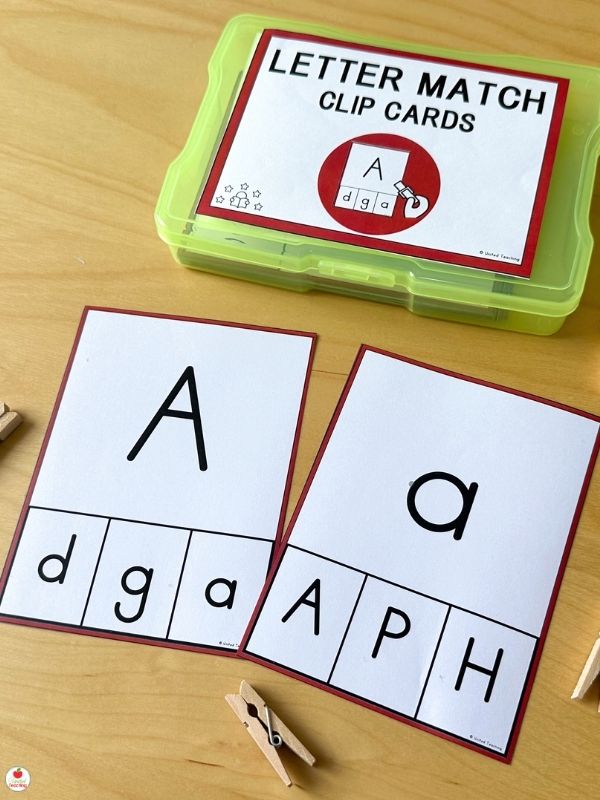
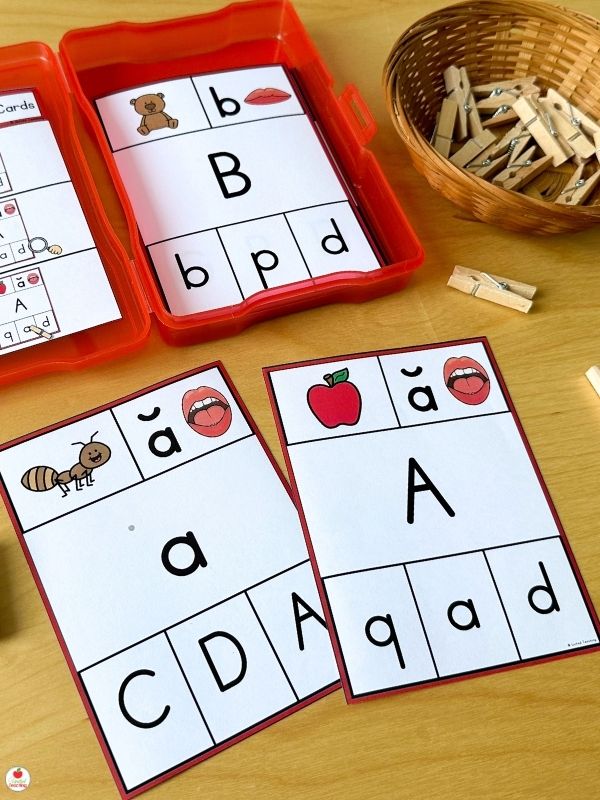
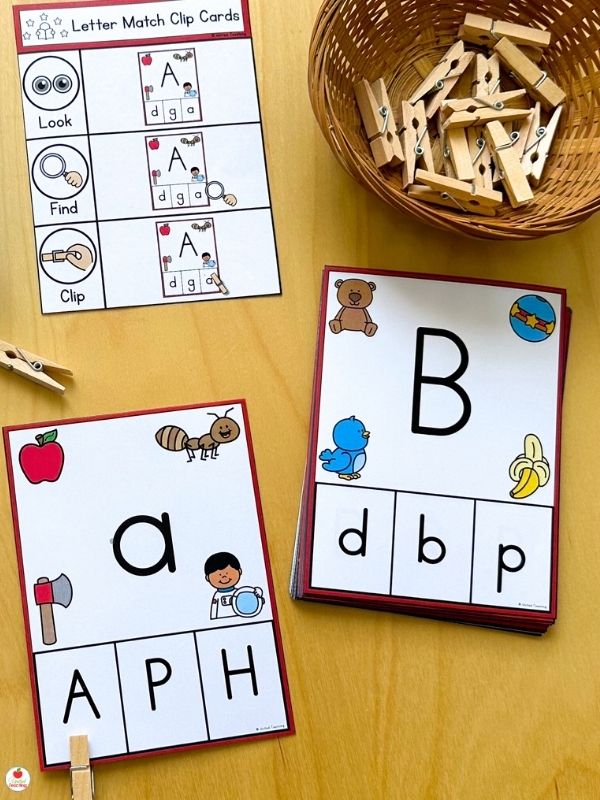
Self-Checking Feature: Place a small sticker or dot on the back of each card at the correct answer position before laminating. Students flip cards to check their work independently, reducing the need for teacher verification.
Fine Motor Benefits: The pincer grip required for clothespin manipulation strengthens the small muscles essential for handwriting development.
Storage: Cards store efficiently in a standard photo box, creating a portable center that moves easily from tables to floors to take-home practice.
3. Alphabet Animal Letter Race Spinner Games
The Alphabet Letter Race Spinner Games combine letter recognition practice with memorable animal associations for each letter. This pairing reinforces both letter identification and beginning sound awareness, addressing two foundational literacy skills simultaneously.
The print-and-spin boards channel physical energy into purposeful learning. Students spin, identify the letter, move their counter to the next matching letter on the track, and either race to the finish or work to cover the entire path.
Key Features:
- Available in full-color, low-ink, and black-and-white formats for classroom or home use
- Includes both uppercase and lowercase versions
- Animal illustrations create memorable letter-sound associations (A is for alligator, B is for bear)
- Racing format maintains high engagement levels throughout multiple repetitions
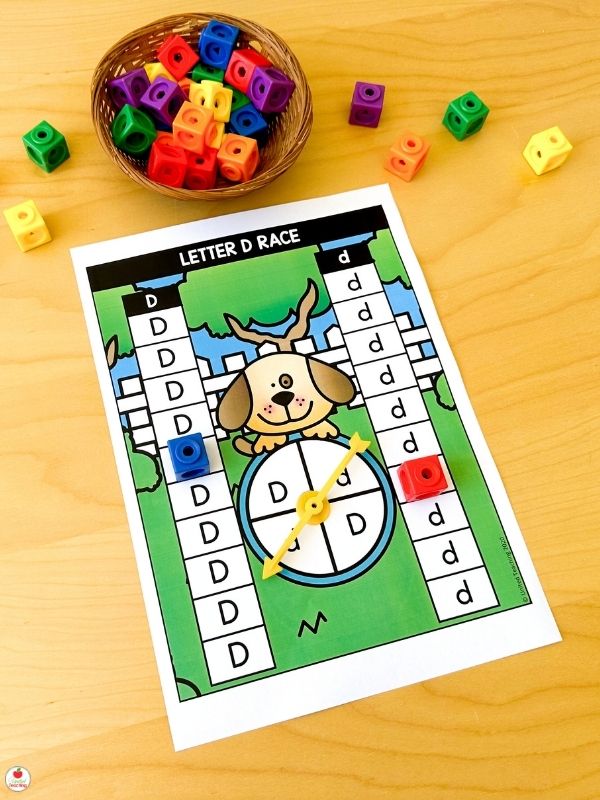
Why This Works: The combination of movement, visual cues, and thematic connections helps students create multiple memory pathways for each letter. The competitive element motivates sustained practice without feeling like drill work.
Preparation: Laminate boards for durability. No additional prep required beyond providing game pieces and paperclip spinners.
4. Alphabet Letter Tracing and Building Mats
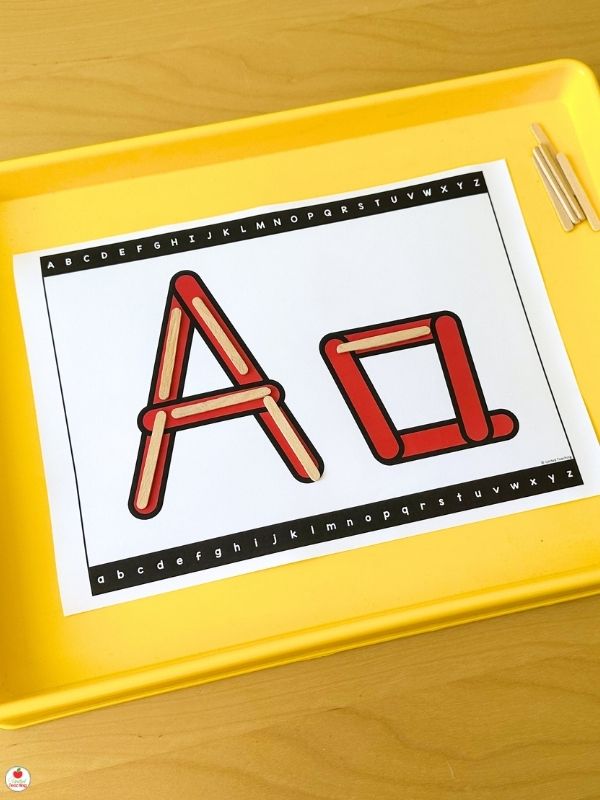
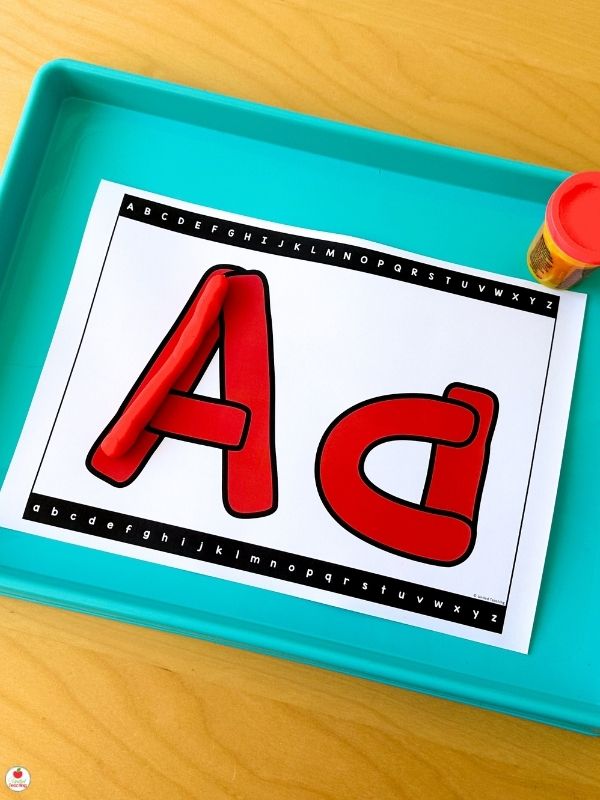
The Alphabet Letter Mats Bundle provides tactile, hands-on letter formation practice using common classroom manipulatives. This 234-mat collection offers multiple ways to build and trace both uppercase and lowercase letters, supporting kinesthetic learners and students who need concrete experiences before abstract letter concepts solidify.
Mat Types:
- Alphabet Playdough & Stick Mats – Students roll dough into letter shapes or arrange craft sticks to form letters, developing visual discrimination and letter formation skills.
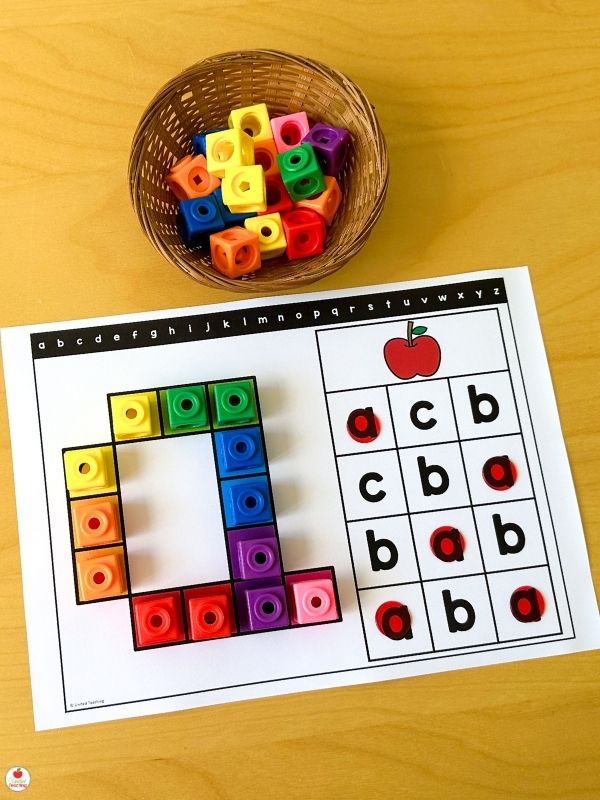
- Snap-Cube and Linking-Cube Alphabet Mats – Students use cubes to outline letters and cover matching letters on accompanying mini-boards, combining letter building with identification practice.
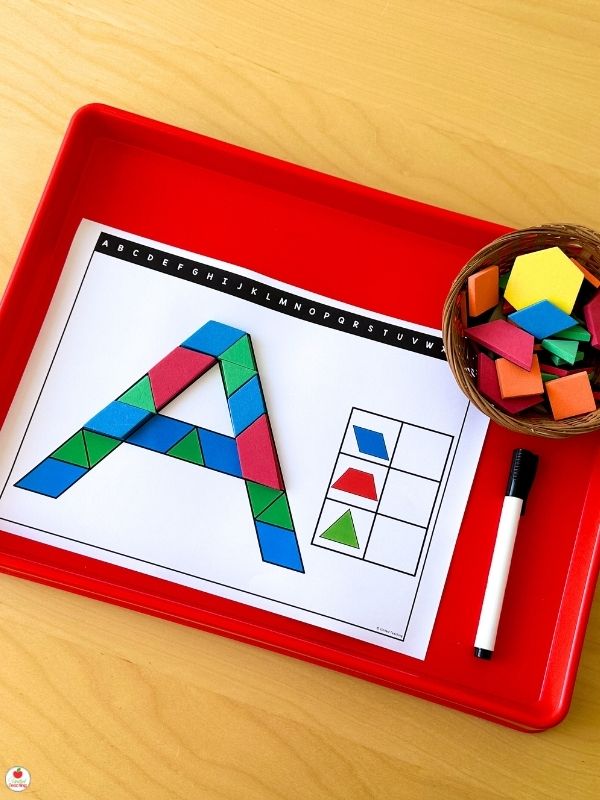
- Pattern-Block Outlines – Students fill letter outlines with pattern blocks, integrating shape recognition with letter learning while counting the quantity of each shape used.
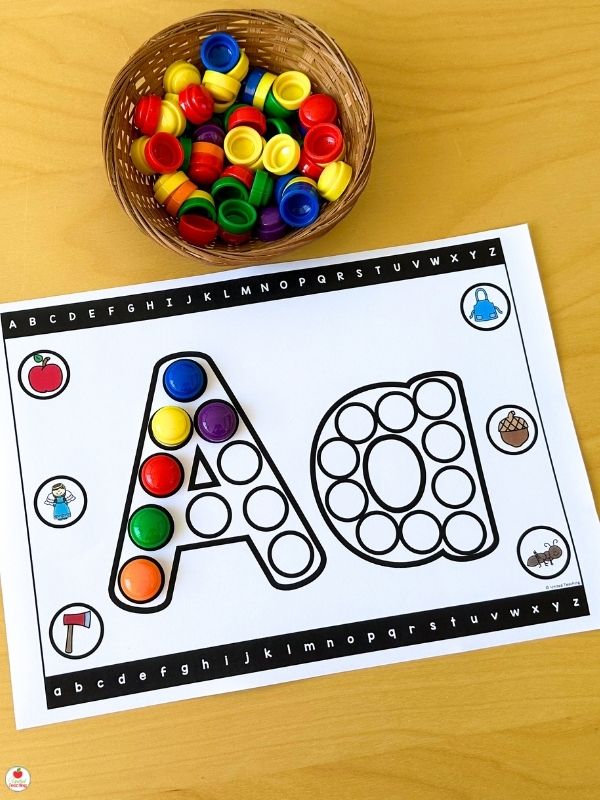
- Pom-Pom and Counter Alphabet Mats – Students place pom-poms or counters on dots to form letters, strengthening one-to-one correspondence and visual tracking skills.
- Letter Tracing Mats – Students trace letters with dry-erase markers, practicing proper letter formation while reinforcing letter sounds through picture cues.
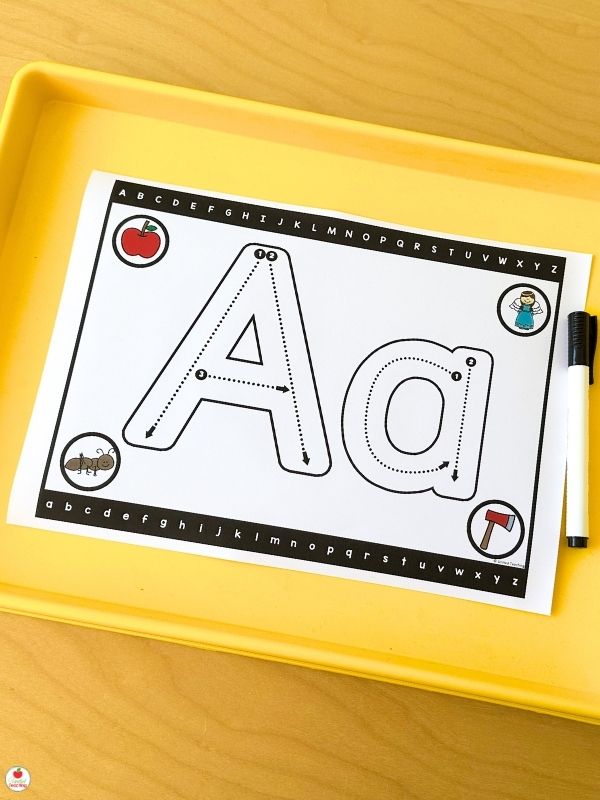
Fine Motor Development: Each mat type targets specific fine motor skills essential for handwriting, from the pinching required for counter placement to the controlled movements needed for tracing.
Differentiation: Black-and-white versions allow for student coloring, creating personalized learning tools. Laminated mats fit into dry-erase sleeves for repeated use without prep.
Organization Tip: Store mats on binder rings sorted by letter groups (SATPIN, CMDA, etc.) so intervention staff can quickly access the exact letters needed for targeted instruction.
Fitting Alphabet Activities Into the Day
Brief, frequent practice sessions prove more effective than extended single sessions for letter recognition development. These games require minimal setup—often just laminating and adding simple materials—making them ideal for filling small instructional windows throughout the day.
Strategic Placement Options:
- Morning Work – Set games at each table so arriving students engage immediately with letter practice.
- Guided Reading Warm-Up – Three minutes of letter game play activates letter knowledge before reading instruction begins.
- Literacy Centers – Rotate games weekly to maintain novelty while providing consistent practice.
- Family Practice – Send home black-and-white versions for weekend “letter challenges” that involve families.
- Intervention Support – The grab-and-go format requires no additional preparation for support staff.
When letter recognition practice becomes a consistent part of daily routines rather than an isolated activity, students build the automaticity needed for reading success.
Keep the Alphabet Fun Rolling
Strong letter recognition doesn’t require complicated programs or expensive materials—just consistent, engaging practice through varied formats. These printable letter recognition games provide the systematic repetition students need while maintaining the engagement necessary for sustained learning. From dice games to clip cards to building mats, each activity offers a different pathway to the same essential skill: quick, accurate letter identification.
When students can recognize letters automatically, they’re ready to move confidently into phonics instruction, spelling development, and independent reading. These games lay that critical foundation while keeping the learning process active and enjoyable from the very first week of school.