





Subitizing is the ability to instantly recognize a quantity without counting. When a student sees five dots and knows immediately that it is five, without touching each dot or whispering numbers under their breath, they have moved from counting into genuine number fluency. Subitizing cards, simple printable cards showing dot patterns in standard and varied arrangements, are one of the most effective tools for building this math skill across kindergarten and primary grades. They require no prep beyond printing and laminating, and they work across every part of the school day: whole-group warm-ups, small-group instruction, partner games, and math centers.
This post shares 20 ways to use subitizing dot cards so the set in your hands gets used across every context, not just one.
Plus, grab the free Subitizing Dot Pattern Anchor Charts and Flash Cards at the end of this post and start using these activities tomorrow.
What Makes Subitizing Dot Cards Work
Subitizing cards work because they train visual memory rather than the counting sequence. Students learn to recognize dot patterns as visual models of quantity, the same way they learn to recognize letters as shapes rather than collections of lines. The key is brief, repeated exposure across different contexts. A 2-3 minute flash routine at the start of math is enough to build the mental images students need. The 20 activities below give you different entry points for that exposure so subitizing practice can happen throughout the day, not just in one dedicated block.
There are two types of subitizing worth knowing. Perceptual subitizing is instantly recognizing small groups of objects, typically 1-5, without any grouping strategy. Conceptual subitizing is recognizing larger quantities by seeing groups within them, for example seeing 8 as two groups of 4 dots. Subitizing cards support both: the 1-5 range builds perceptual fluency, while activities that ask students to explain how they saw a number build the conceptual subitizing skills needed for building number sense beyond the basic facts.
Whole-Group and Warm-Up Activities
1. Flash and Show
Hold up a subitizing card for 2-3 seconds, then turn it face down. Students show their answer by holding up that many fingers, writing the numeral on a whiteboard, or showing a number card. Fingers are the fastest response, with no materials needed. This works as a 2-minute warm-up at the start of any math lesson and takes almost no planning. As students grow more confident, shorten the flash time.
2. Number Talk: How Did You See It?
Flash a dot card and ask students to share how they saw the quantity. Did they see two groups of two? A row of three and one more? There is no wrong answer. The goal is for students to notice that different people see groups of objects differently, and all paths lead to the same number. This activity builds flexible thinking alongside speed and is one of the most valuable uses of a subitizing card set.
3. One More, One Less
Flash a card and ask students to show one more or one less on their whiteboard. For students who are ready for a challenge, extend the routine: show a card and ask how many more are needed to reach ten. This version builds a direct bridge between subitizing and addition. Students who can instantly recognize how many objects are on a card and calculate from there are beginning to think in number relationships, not just quantities.
4. Dot Pattern Dictation
Call out a number and ask students to draw the dot pattern on a whiteboard or piece of paper, without a card to copy from. This reverses the direction. Instead of seeing a pattern and naming the number, students hear a number and recreate the visual pattern from memory. It is harder than it sounds and is excellent for solidifying the connection between a numeral and its dot arrangement.
5. Subitizing Bingo
Students receive a bingo card (4×4 grid works well) showing numerals or dot patterns. Call out a number or flash a dot card, and students cover the matching representation on their board. Mix visual representations across the cards so the whole class is actively thinking. First to cover a row calls out. This works well as a Friday warm-up or end-of-week review.
Subitizing Games for Partners
6. Subitizing War
Each partner flips a card from their pile. The first player to correctly name their number and say which is greater keeps all the cards in play. If both players flip the same number, flip again. The game format builds fluency naturally. Because students want to be first, they push themselves toward instant recognition rather than counting, which is exactly the habit you are trying to build. A ten-frame war variant works well once students are confident with the standard dot cards.
7. Which One Doesn’t Belong?
Lay out four cards: three showing the same number in different representations and one showing a different number. Students look at all four and identify which one doesn’t belong. Extend by asking them to explain their reasoning. This works as a partner discussion activity or a small-group task and builds the kind of analytical thinking that complements straight flash practice.
8. Memory Matching Game
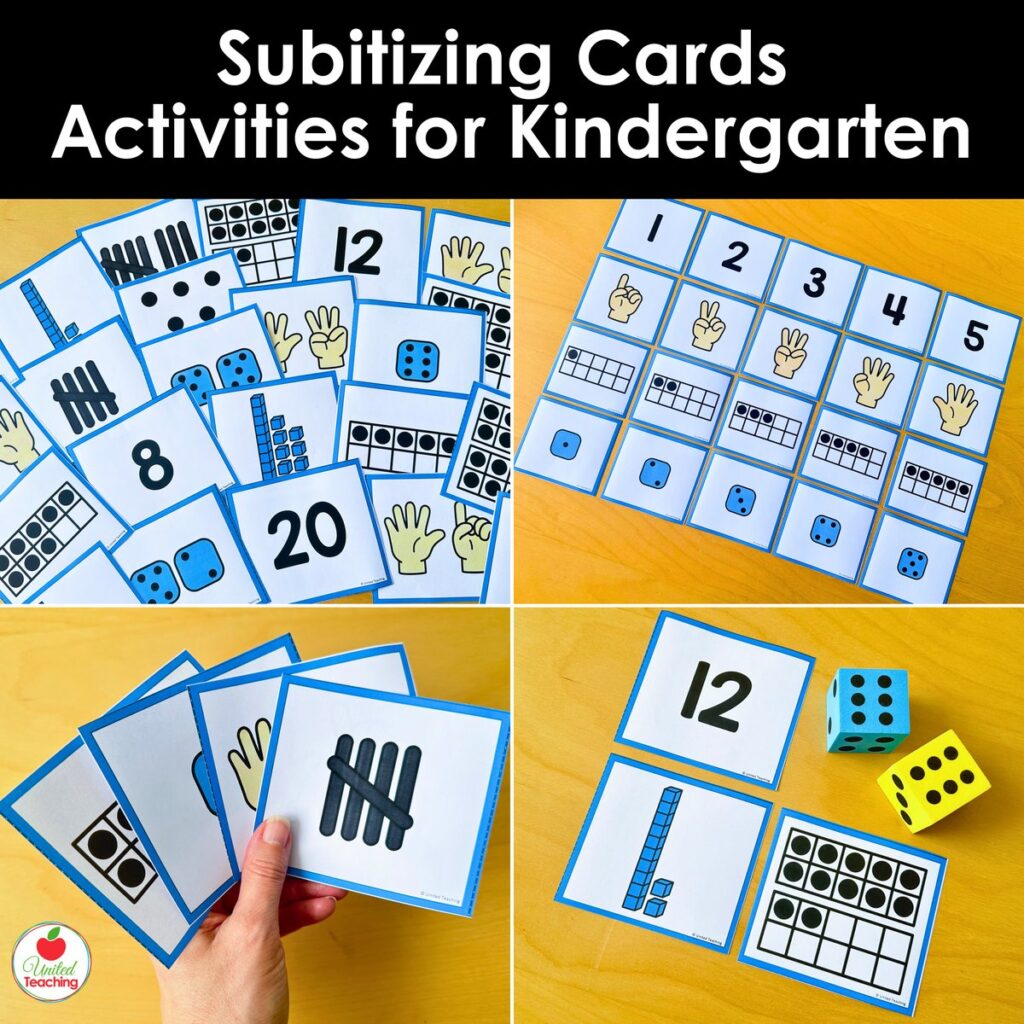
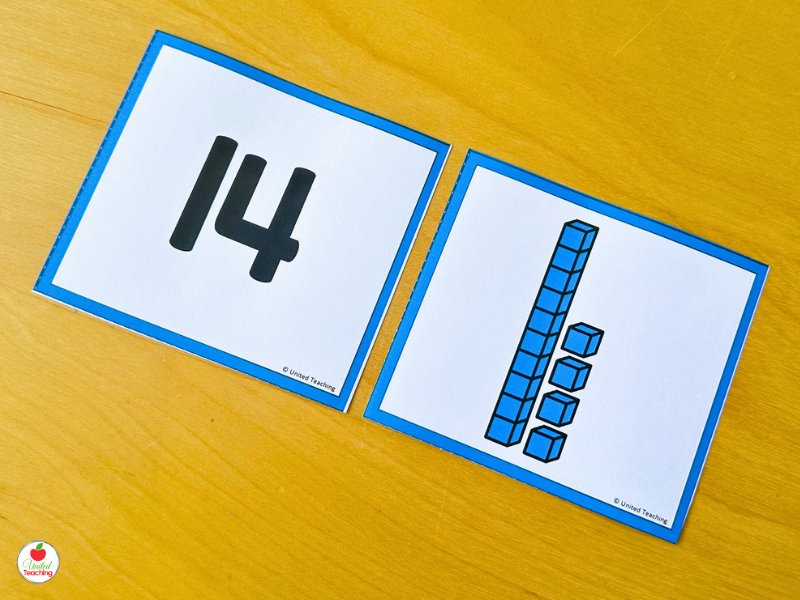
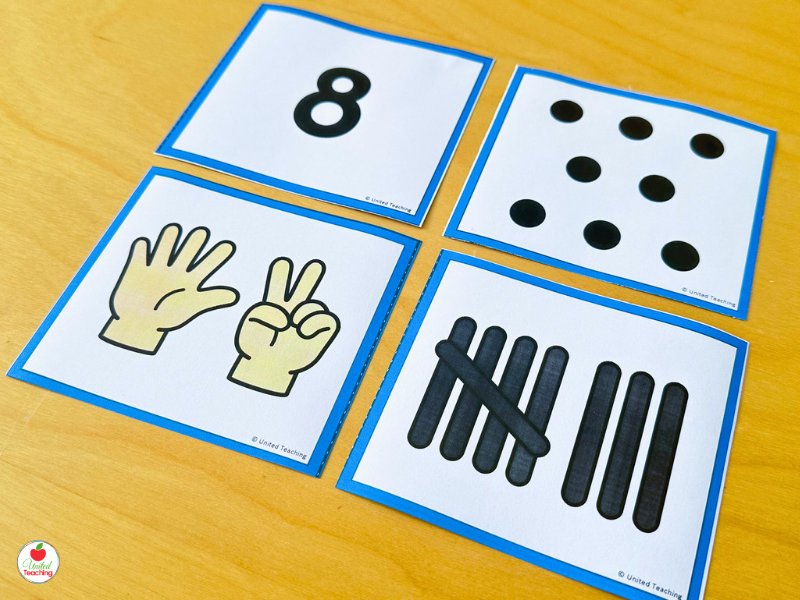
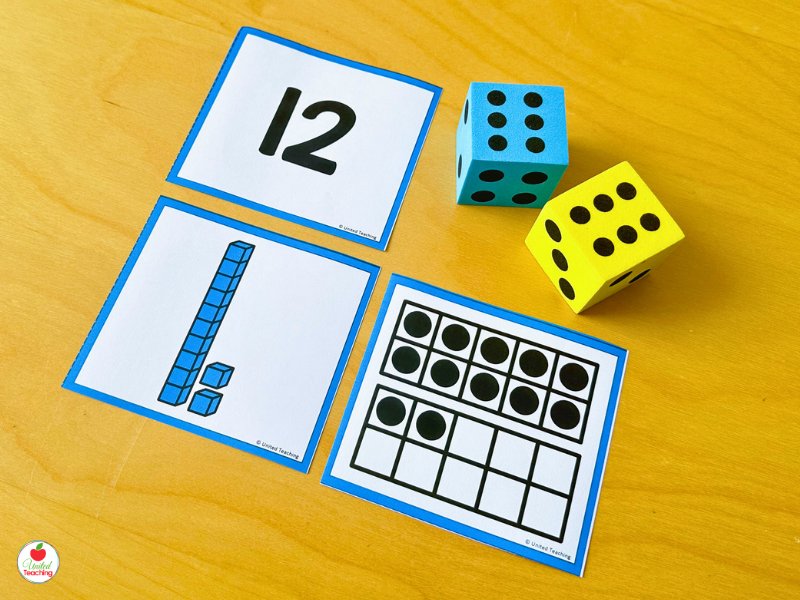
Pair subitizing dot cards with numeral cards, ten-frame cards, or finger-pattern cards showing the same amounts. Students place them face down in a grid and take turns flipping two at a time to find matching pairs. The comparison between the dot pattern and the ten-frame or numeral reinforces the idea that the same quantity can look very different (an important concept for flexible number sense and building number sense beyond 1-10).
9. Hide and Seek
Tape or place dot cards around the room before students arrive. When it’s time for the activity, call out a number and students move to find and bring back the card that shows that quantity. For an extended version, hide all the cards and ask students to find them, then arrange the whole set in order from least to greatest. The movement element makes this a welcome change of pace.
Math Centers and Small-Group Activities
10. Anchor Chart Reference Station
Display the subitizing anchor charts in your math center as a permanent reference tool. When students are working on counting activities, ten-frame tasks, or number matching, the anchor charts give them a visual to check against without needing to ask for help. Laminate and display at eye level. Charts that students can see while they work become part of how they think about numbers, not just a poster on the wall.
11. Sequence Challenge
Give a small group a set of dot cards covering a specific number range, 1-5 or 1-10, and ask them to arrange the cards in order from least to greatest, then greatest to least. Extend by removing one card from a sequence and asking the group to identify the missing number. This calm, cooperative activity builds number order understanding alongside pattern recognition and works well for comparing numbers across a range.
12. Dot-to-Numeral Matching
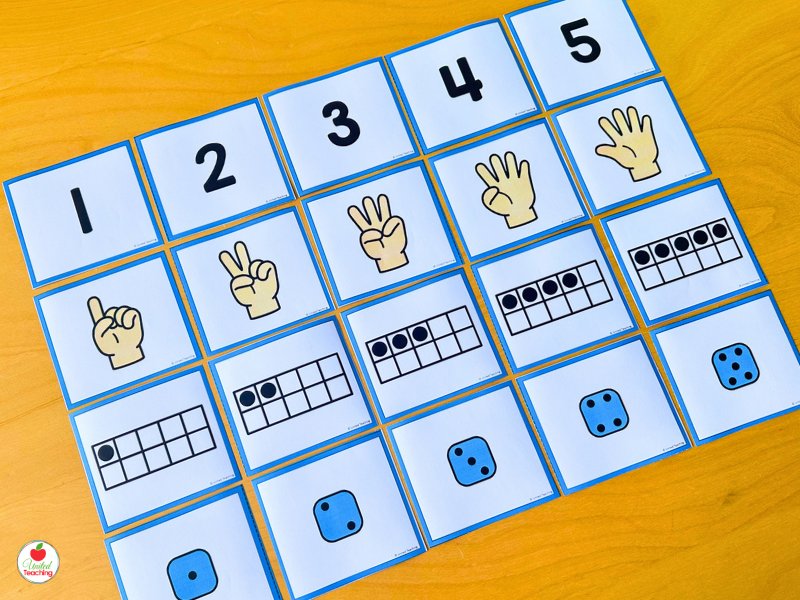
Set out numeral cards face up on a table or mat. Students draw a subitizing card from a pile and place it next to the matching numeral. For a self-checking version, write the numeral on the back of each dot card so students can flip and confirm independently. This works well as a math center activity during rotations and requires no teacher support once the routine is established.
13. Record and Draw
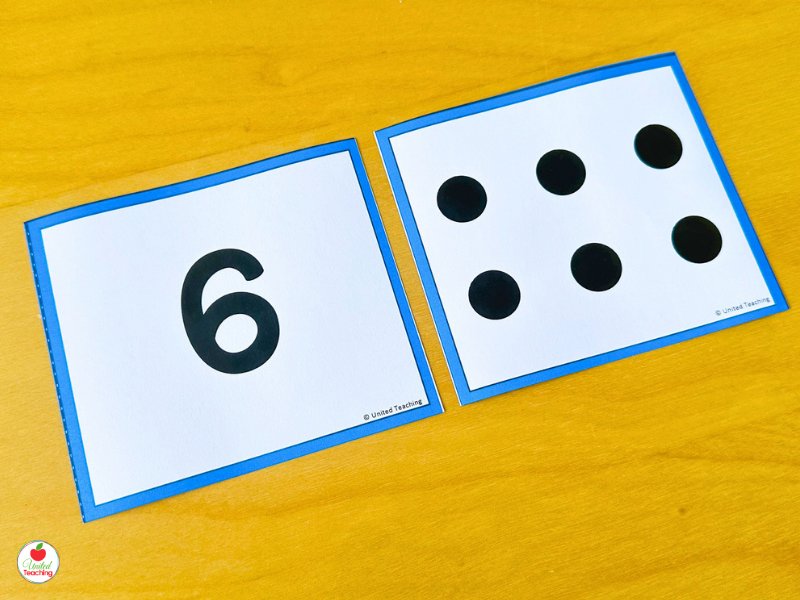
Students draw a dot card from a pile, write the numeral on a recording sheet, then redraw the dot pattern in the matching box. This independent activity reinforces both the pattern and its numeral and works well as a morning tub activity, an early finisher task, or quiet center work. It is one of the simplest setups in this list, just a set of cards and a recording sheet.
14. Targeted Small-Group Practice
For students who are not yet subitizing fluently, use a focused set of subitizing cards for numbers in the range they are working on, typically 1-5 first, then extending to 1-10. Flash each card for 3 seconds, give immediate feedback, and move on. Keep sessions to 5 minutes. Brief and frequent practice is far more effective for building number sense fluency than one longer session per week.
15. Go Fish
Deal 5-7 subitizing cards to each player and place the rest face down as a draw pile. Players take turns asking “Do you have [number]?” to find a match. If the other player has a card showing that number in any dot arrangement, they hand it over. If not, the asking player draws from the pile. Go Fish works with 2-4 players and is one of the best matching games for getting students to name quantities repeatedly without it feeling like practice.
16. Clap and Find
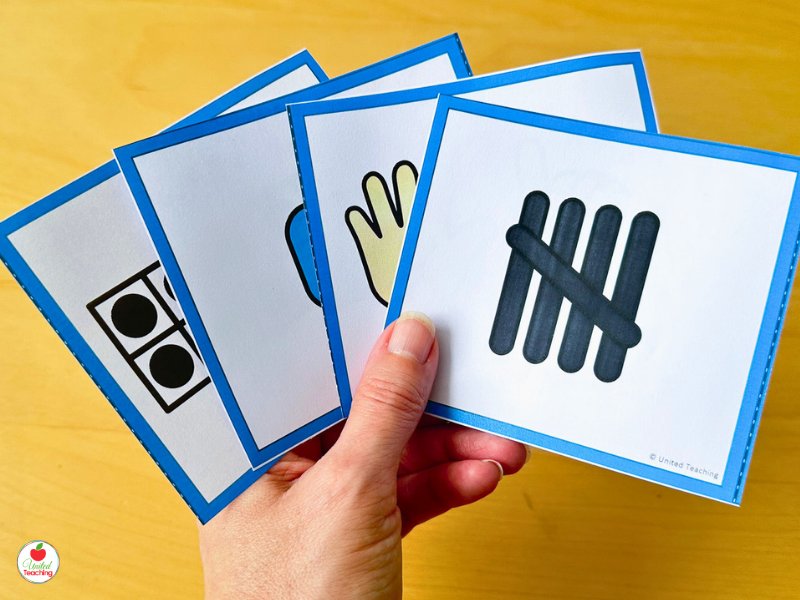
Clap out a rhythm and ask students to count the beats, then find the matching dot card from a set laid out in front of them. This connects auditory counting to visual pattern recognition and reaches students who process sound more strongly than visual input. It also works in reverse: hold up a dot card and ask students to clap out that many beats.
17. Represent It Multiple Ways
Flash a dot card, and instead of asking for the number, ask students to show the same amount in a completely different format: on a ten frame, as tally marks, on their fingers, or written as a numeral and a number word. This moves subitizing from recognition into representation, building the connection between a dot pattern and the full range of number representations the same quantity can take.
18. Roll and Match
Students roll a standard die, subitize the dot pattern shown (dice dots are themselves a form of subitizing), then find the matching card from their set. Roll a die and match is a low-prep math activity that gives the practice a game-like feel without a complicated setup. Extend by rolling two dice, subitizing each separately, then finding the card that shows the total. This is a simple bridge from subitizing into addition.
19. Calendar Routine
Keep a set of dot cards near your calendar and use one each day to show the date. Instead of just pointing to the numeral, hold up the matching dot card as you count. Over time, pull a card first and ask students to instantly know the number before you confirm it on the calendar. This costs nothing extra and creates daily low-stakes exposure without adding a single minute to calendar time.
Number Sense Fluency Assessment
20. Individual Flash Check
Every few weeks, do a quick one-on-one flash check with each student using a set of ten dot cards. Note which numbers they identify instantly, which they count, and which they answer incorrectly. This takes about 90 seconds per student and gives you clear, specific data on who is ready to move forward and who needs more practice within a particular range, with no worksheet or formal assessment needed.
Get Your Free Math Subitizing Cards Printable
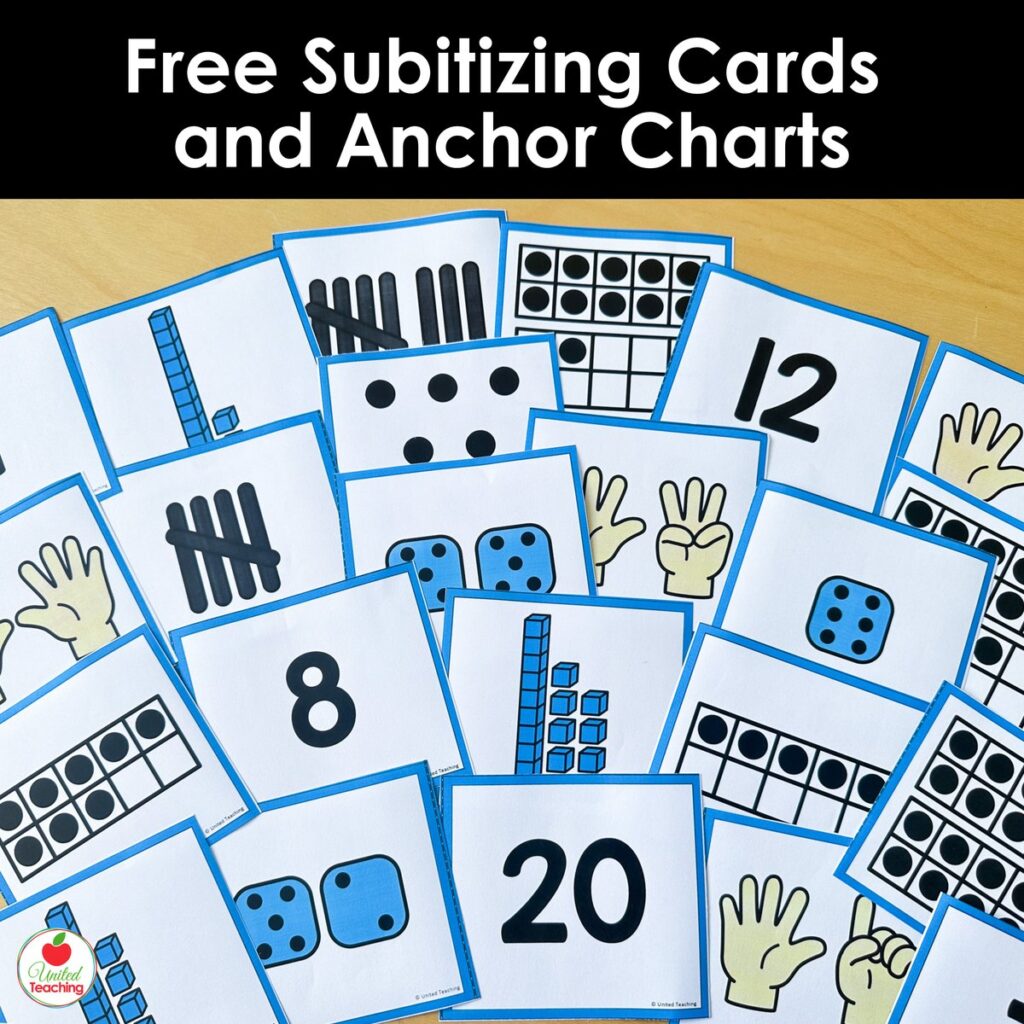
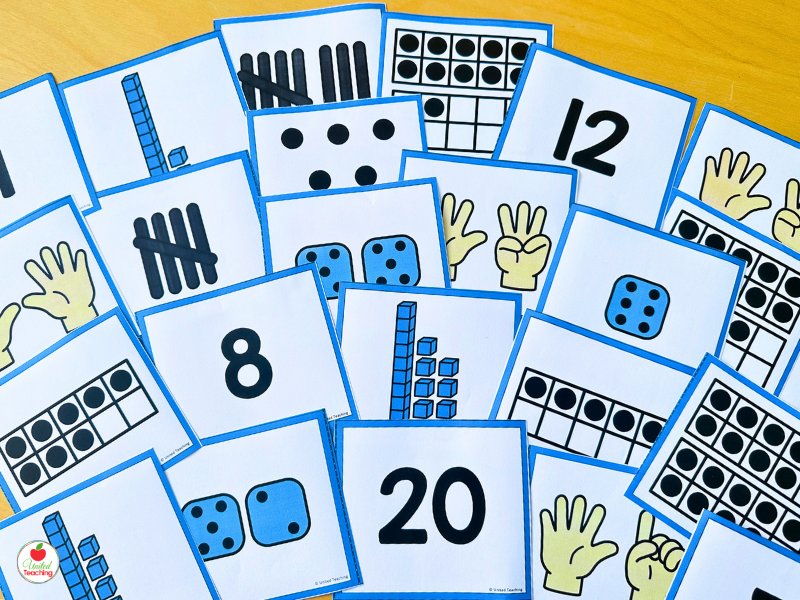
Download this free printable freebie: subitizing dot pattern anchor charts for classroom display and a full set of dot flashcards for hands-on practice, 58 pages total, covering numbers 1 to 20.
Print on cardstock and laminate once for a set that lasts all year. The anchor charts work displayed in your math area or as a classroom reference. The free subitizing cards are sized for easy handling in whole-group, small-group, and partner settings.
Enter your email below to get the free download sent straight to your inbox.